Text
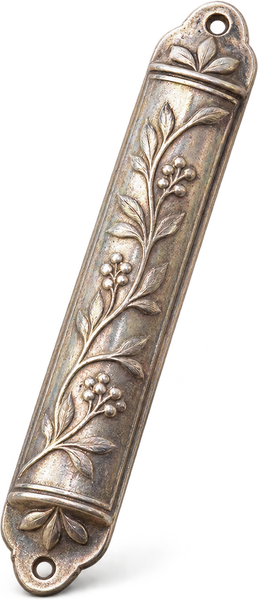
שְׁמַע יִשְׂרָאֵל, יְיָ אֱלֹהֵינוּ, יְיָ אֶחָד. בָּרוּךְ שֵׁם כְּבוֹד מַלְכוּתוֹ לְעוֹלָם וָעֶד. וְאָהַבְתָּ אֵת יְיָ אֱלֹהֶיךָ בְּכָל לְבָבְךָ וּבְכָל נַפְשְׁךָ וּבְכָל מְאֹדֶךָ. וְהָיוּ הַדְּבָרִים הָאֵלֶּה אֲשֶׁר אָנֹכִי מְצַוְּךָ הַיּוֹם עַל לְבָבֶךָ. וְשִׁנַּנְתָּם לְבָנֶיךָ וְדִבַּרְתָּ בָּם בְּשִׁבְתְּךָ בְּבֵיתֶךָ וּבְלֶכְתְּךָ בַדֶּרֶךְ וּבְשָׁכְבְּךָ וּבְקוּמֶךָ. וּקְשַׁרְתָּם לְאוֹת עַל יָדֶךָ וְהָיוּ לְטֹטָפֹת בֵּין עֵינֶיךָ. וּכְתַבְתָּם עַל מְזֻזוֹת בֵּיתֶךָ וּבִשְׁעָרֶיךָ.
Transliteration
Šema Jisra’el, Adonaj Elohejnu, Adonaj echad. Baruch šem kvod malchuto le-olam va-ed. Ve-ahavta et Adonaj Elohecha be-chol levavcha u-v-chol nafšecha u-v-chol me’odecha. Ve-haju ha-dvarim ha-ele ašer anochi mecavcha ha-jom al levavecha. Ve-šinantam le-vanecha ve-dibarta bam be-šivtecha be-vejtecha u-v-lechtecha va-derech u-v-šochbecha u-v-kumecha. U-kšartam le-ot al jadecha ve-haju le-totafot bejn ejnecha. U-chtavtam al mezuzot bejtecha u-vi-šarecha.
Translation
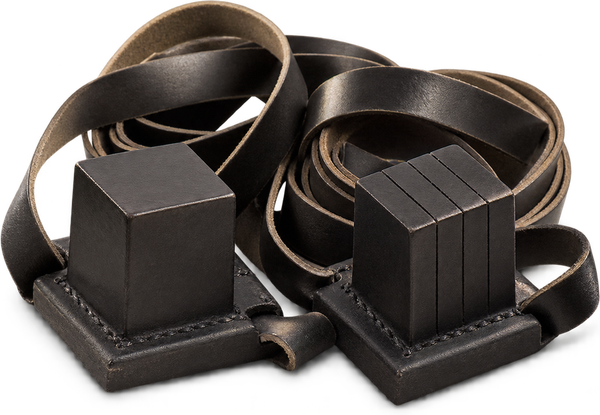
Hear, O Israel: the Lord is our God, the Lord is one. Blessed is the name of the glory of His kingdom for ever and ever. You shall love the Lord your God with all your heart, with all your soul and with all your might. Let these words, which I command you today, be upon your heart. Teach them diligently to your children and speak of them when you sit in your house and when you walk on the way, when you lie down and when you rise up. Bind them as a sign upon your hand, and let them be as frontlets between your eyes. Write them on the doorposts of your house and on your gates.
The Hebrew liturgical text is in the public domain; the translation is original.
Notes and differences between rites
The full kri’at Shema consists of three biblical passages: Deuteronomy 6:4–9, Deuteronomy 11:13–21 and Numbers 15:37–41. The first passage is given here.1,2,3,4
The line “Baruch shem kevod malkhuto” is not biblical; it is said in a whisper (aloud only on Yom Kippur). During the first verse the eyes are covered with the right hand.5
The times for the morning and evening recitation are discussed by the Mishnah at the very beginning of tractate Berakhot. The text of the passage follows the Masoretic text of Deuteronomy; the rites differ only in the accompanying blessings.6
In tradition the Shema is the last words of the dying and of martyrs; according to the Talmud, Rabbi Akiva recited it in this way.7
Sources
Primary sources
- 1Deuteronomy, 6:4–9 text ↗
- 2Deuteronomy, 11:13–21 text ↗
- 3Numbers, 15:37–41 text ↗
- 4Mishnah Berakhot, 2:2 text ↗
- 5Shulchan Arukh, Orach Chayim, 61 text ↗
- 6Mishnah Berakhot, 1:1–2 text ↗
- 7Babylonian Talmud, Berakhot, 61b text ↗
- 8Mishnah Berakhot
- 9Siddur