Torah commandments
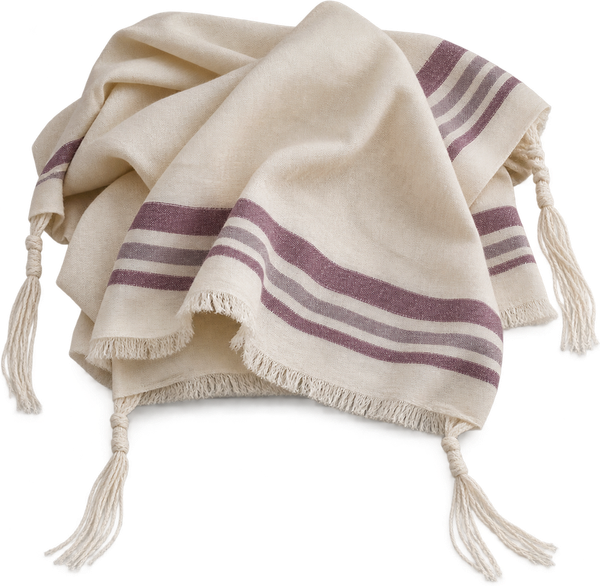
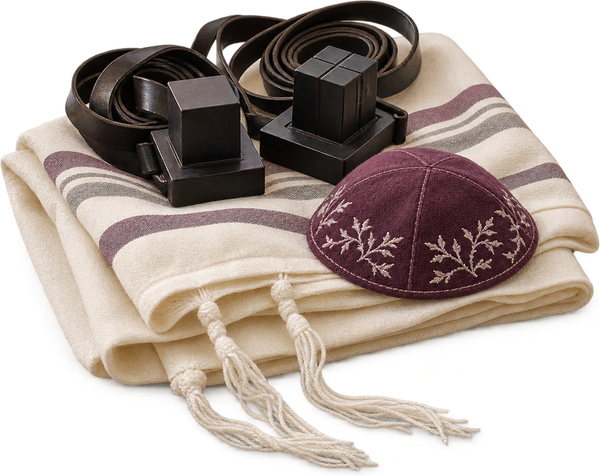
Fringes, tzitzit (צִיצִית), are worn on the corners of a four-cornered garment as a reminder of the commandments; today they are worn on the tallit and on the undergarment tallit katan.1,2
Head covering
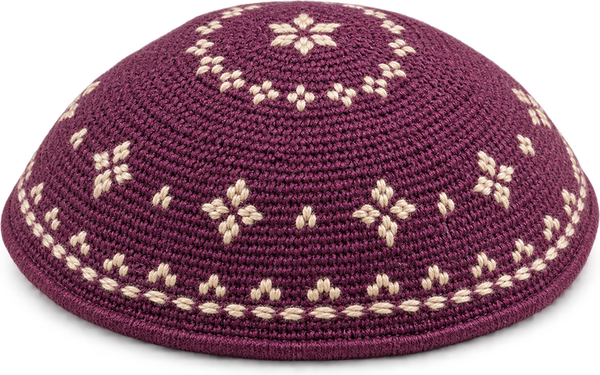
In traditional practice men wear a kippah; it is not a biblical commandment but a custom expressing reverence before God that has acquired halakhic weight.7,8
In Orthodox practice married women cover their hair with a scarf, a hat or a wig; the Mishnah classes this as "Jewish custom" (dat yehudit). The extent and form vary between communities.9
Communal and cultural dress
Some Ashkenazi men wear a white kittel on Yom Kippur, at the seder and at their wedding; they are often also buried in a kittel.
Hasidic dress (e.g. the fur shtreimel on Shabbat) is a cultural tradition of Eastern European origin, not a general halakhic requirement.10
The value of tzniut (modesty) shapes dress in Orthodox circles; specific norms vary considerably between communities.
FAQ
Is the kippah obligatory?
In Orthodox practice men wear it at all times; in Conservative and Reform congregations usually during prayer. It is a custom with halakhic weight, not a biblical commandment.
Do women wear a tallit and tefillin?
In Conservative and Reform congregations, yes, if they choose to; in Orthodox circles it is exceptional and contested.⁂ To verify
Sources
Primary sources
- 1Numbers, 15:37–41 text ↗
- 2Deuteronomy, 22:12 text ↗
- 3Deuteronomy, 6:8 text ↗
- 4Exodus, 13:9 text ↗
- 5Leviticus, 19:19 text ↗
- 6Deuteronomy, 22:11 text ↗
- 7Babylonian Talmud, Shabbat, 156b text ↗
- 8Shulchan Arukh, Orach Chayim, 2:6 text ↗
- 9Mishnah Ketubot, 7:6 text ↗
- 11Shulchan Arukh, Orach Chayim, 8–45 text ↗