Pilgrimage festivals
Shavuotשָׁבוּעוֹת
2 days · 6 Sivan (in the diaspora 6–7 Sivan)
- Bible
- Halakhah
- Minhag
- Modern practice
- Interpretation
- Transliteration
- Shavuot
- Pronunciation
- ša-vu-OT
- Duration
- Israel: 1 day
Diaspora: 2 days
In 60 seconds
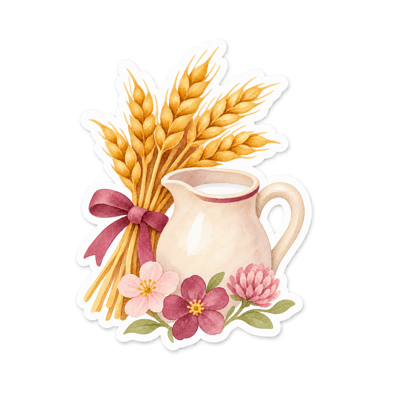
Shavuot, “Weeks”, comes after seven weeks of counting the Omer from Passover, on 6 Sivan, usually in May or June. In the Torah it is the festival of the wheat harvest and of bringing the first fruits to the Temple. Rabbinic tradition links it with the giving of the Torah at Mount Sinai, which is why the Ten Commandments are read in the synagogue. Many stay up the whole first night studying (tikkun leil Shavuot), the Book of Ruth is read, and in many communities dairy foods are eaten, such as blintzes or cheesecakes. Synagogues are decorated with greenery and flowers. Shavuot is one of the three pilgrimage festivals; in Israel it lasts one day, in the diaspora two. Unlike other festivals it has no special object or ritual; its centre is the Torah.
Next date
Related recipes
When
Begins
Thursday, 10 June 2027, at sunset (21:10)
candle lighting: 20:52
Ends
Saturday, 12 June 2027, after nightfall (22:20)
2 days
Begins
Tuesday, 30 May 2028, at sunset (21:01)
candle lighting: 20:43
Ends
Thursday, 1 June 2028, after nightfall (22:10)
2 days
Begins
Saturday, 19 May 2029, at sunset (20:47)
candle lighting: 21:50
Ends
Monday, 21 May 2029, after nightfall (21:53)
2 days
Times for Prague · Diaspora
History and origins
The Torah calls the festival chag ha-shavuot (the festival of weeks), chag ha-katzir (the festival of harvest) and yom ha-bikkurim (the day of first fruits). Its date is derived from counting seven weeks from the bringing of the Omer.1,2,3,4
In Temple times two loaves of the new wheat were offered and the period of bringing the bikkurim (first fruits) began, accompanied by the declaration in Deuteronomy 26.5,6
The link with the revelation at Sinai derives from the chronology of Exodus 19 and the rabbinic calculation that the Ten Commandments were given on 6 Sivan (according to another view, 7 Sivan). In the rabbinic period the festival thus acquired the epithet zman matan Toratenu – the time of the giving of our Torah.7,8
Religious meaning
Shavuot completes the journey begun at Passover: from physical freedom to the acceptance of the Torah and the covenant. Counting the Omer is thus understood as a preparation.
The Book of Ruth is read because it takes place at harvest time and tells of a Moabite woman who accepted the God of Israel; tradition also links it with King David, whose death, according to legend, fell on Shavuot.9
Core traditions
Tikkun leil Shavuot: all-night study on the first night, which spread from the 16th century from the kabbalistic circles of Safed (Shlomo Alkabetz, Joseph Karo). In the morning shacharit is prayed at dawn.10
Decorating synagogues and homes with greenery and flowers; the Mishnah Berurah records the custom and its rationale (a reminder of the greenery around Sinai), while the Vilna Gaon rejected it because of its similarity to Christian customs.11

How it is observed
Shavuot is a yom tov: rest from work applies as on the other festivals (cooking from an existing flame is permitted). Festival candles are lit, and kiddush and Shehecheyanu are said.12
On the first day the Torah reading is the revelation at Sinai including the Ten Commandments (Exodus 19–20); on the second day in the diaspora, Deuteronomy 15:19–16:17. The full Hallel is recited, and in Ashkenazi synagogues Yizkor is said on the second day.13
Prayers and blessings
Before the Torah reading Ashkenazim recite the Aramaic poem Akdamut; Sephardi and Mizrahi communities read the Azharot (a poetic enumeration of the commandments) and in some places a “ketubah” between God and Israel.14
Ya'aleh ve-yavo is inserted into the prayers, together with the festival Amidah with the formula zman matan Toratenu.15
Symbols and objects
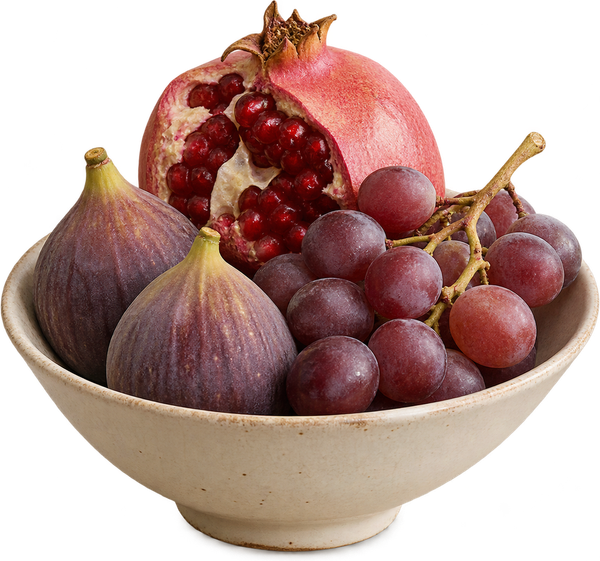
The festival has no ritual object of its own; its symbols are the Torah scroll, greenery, flowers and the first fruits of the seven species.

Traditional foods
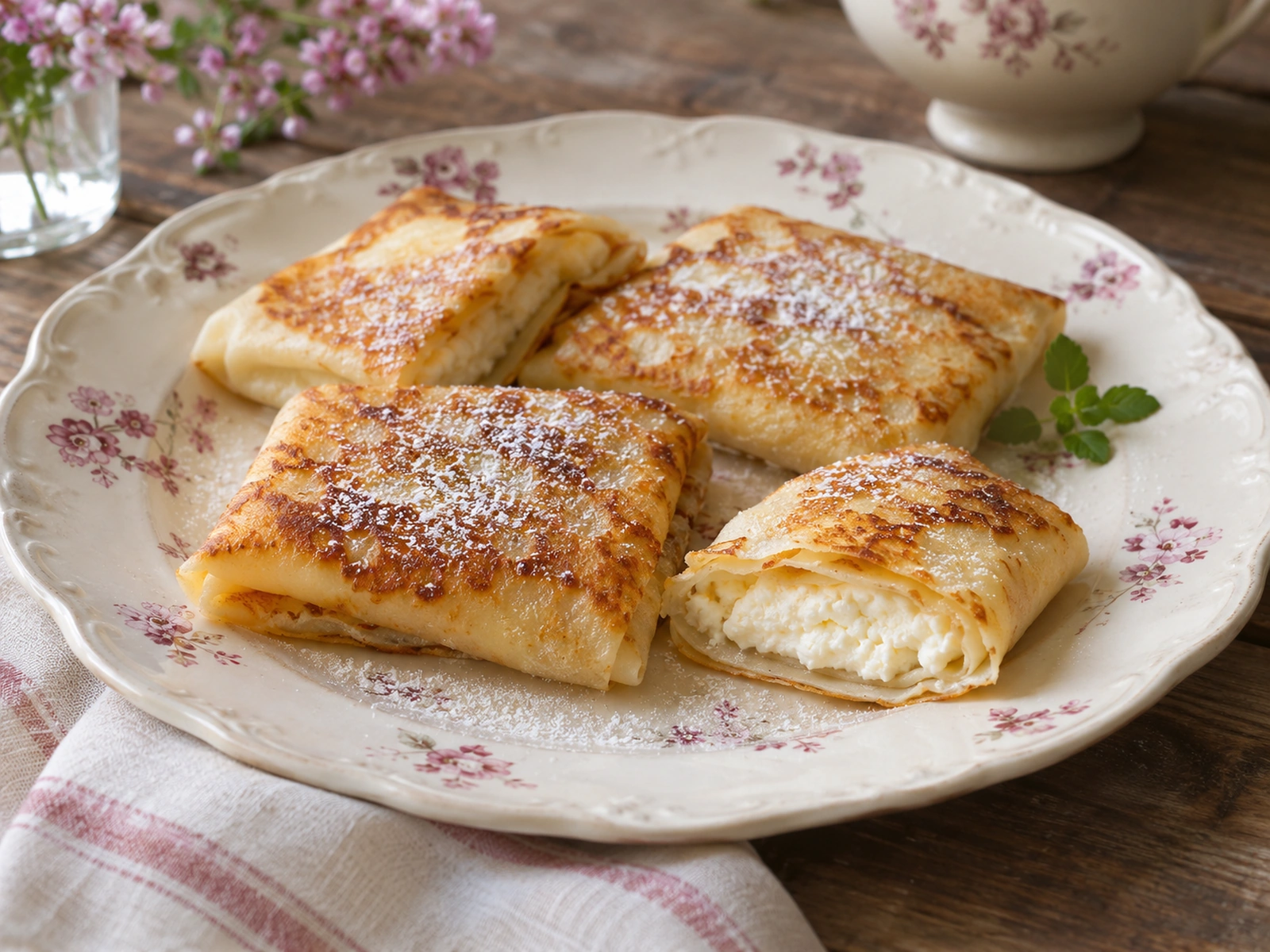
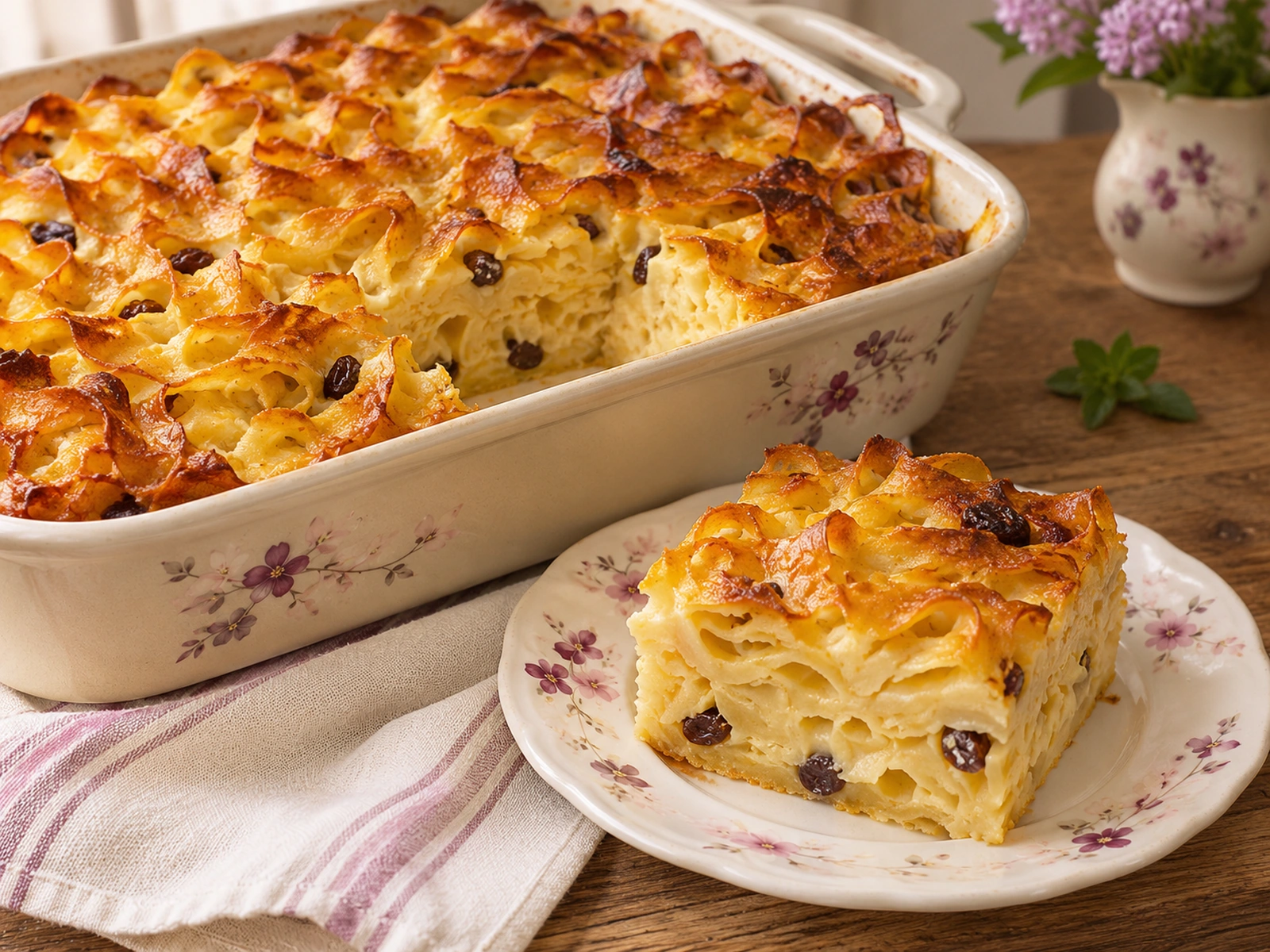
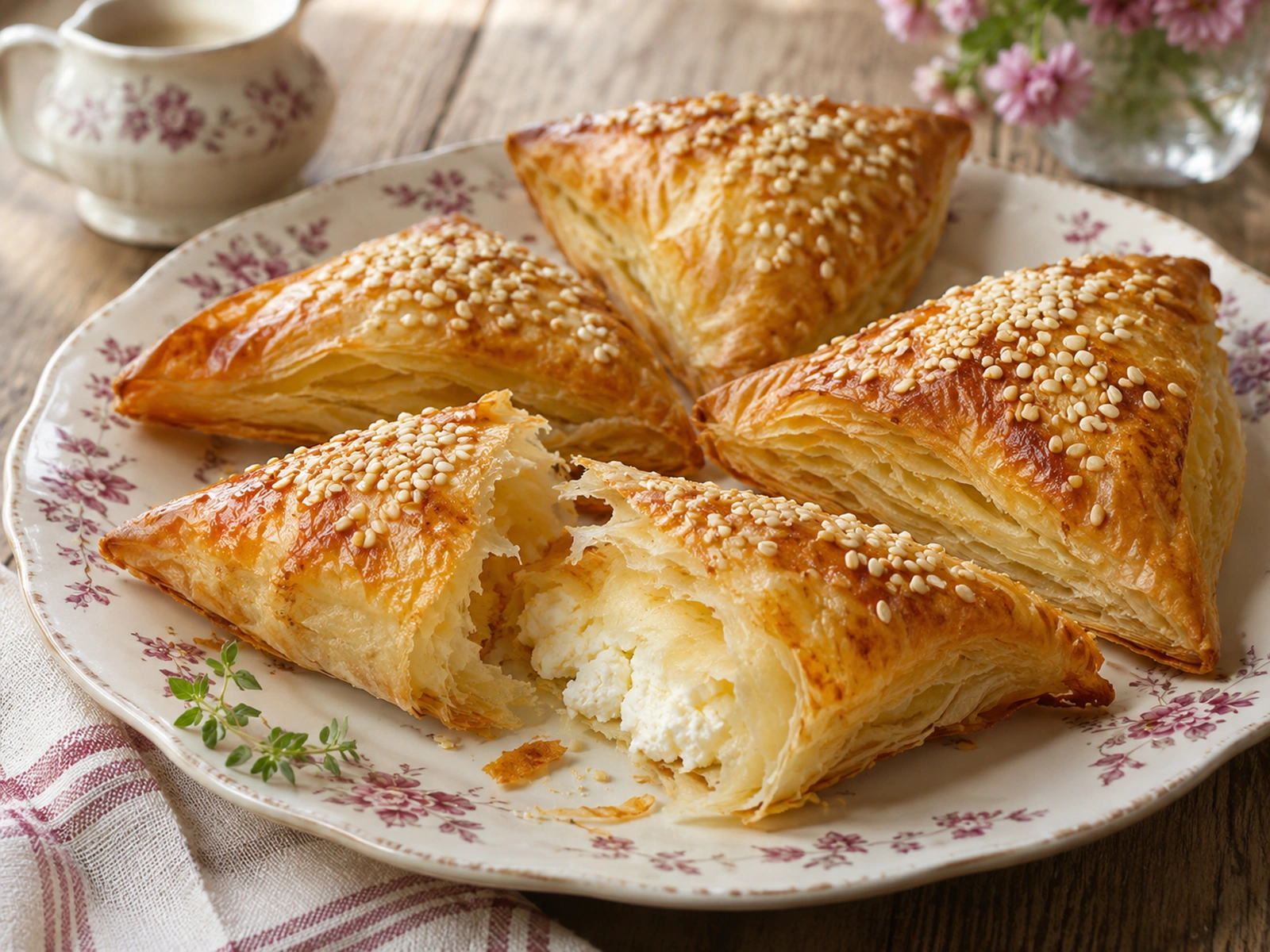
The Rema's gloss records the custom of eating dairy foods on the first day. It is explained in various ways: the Torah as “milk and honey”, or that after receiving the laws of kashrut the Israelites had no kosher meat ready.16,17
Ashkenazi blintzes with curd cheese, cheesecakes and dairy kugels; Sephardi Bourekas with cheese and the seven-layer bread siete cielos (seven heavens).18
Dairy dishes require kashrut separation from meat and certified dairy products.
Differences between communities
In kibbutzim and Israeli schools Shavuot is celebrated as a festival of first fruits and harvest: processions with baskets of fruit, tractors, dancing.
In Reform Judaism, from the 19th century, the confirmation of young people took place on Shavuot.10
In the Czech lands
Prague and other communities celebrate Shavuot with services and study programmes; documented local customs from the historical Czech lands still need to be added.
For children
Children decorate the home with flowers, carry baskets of fruit and in Israeli kindergartens act out “bringing the first fruits”. Together with their parents they can read the story of Ruth or the Ten Commandments.
FAQ
Why is it called Shavuot – “Weeks”?
It is celebrated after seven weeks of counting the Omer from Passover.
Why are dairy foods eaten?
It is a custom, not a law; the Rema mentions it without making it an obligation. The explanations are varied and traditional.
Is Shavuot the same as the Christian Pentecost?
The Christian Pentecost derives from the same timing (the fiftieth day), but its content is entirely different.
Do you have to stay up all night?
No; tikkun leil Shavuot is a kabbalistic custom adopted by many communities, but not a halakhic obligation.
Sources
Primary sources
- 1Exodus, 23:16; 34:22
- 2Leviticus, 23:15–21 text ↗
- 3Numbers, 28:26 text ↗
- 4Deuteronomy, 16:9–12 text ↗
- 5Leviticus, 23:17 text ↗
- 6Deuteronomy, 26:1–11 text ↗
- 7Exodus, 19:1 text ↗
- 8Babylonian Talmud, Shabbat, 86b text ↗
- 9Ruth
- 11Mishnah Berurah, 494:10 text ↗
- 12Shulchan Arukh, Orach Chayim, 494 text ↗
- 13Exodus, 19–20 text ↗
- 14Machzor
- 15Siddur
- 16Shulchan Arukh, Orach Chayim, 494:3 text ↗
- 17Song of Songs, 4:11 text ↗
- 19Deuteronomy, 16:9–10 text ↗