Biblical and halakhic basis
The ceremony
The circumcision is performed by a mohel, professionally trained in both the surgical procedure and the liturgy. During the procedure the child is held by the sandak, an honorary role often given to a grandfather.
The father recites the blessing "…to bring him into the covenant of Abraham our father", and those present respond with the wish that the child grow up "to Torah, to the wedding canopy and to good deeds". Then the blessing over wine is said and the child is named.8,9
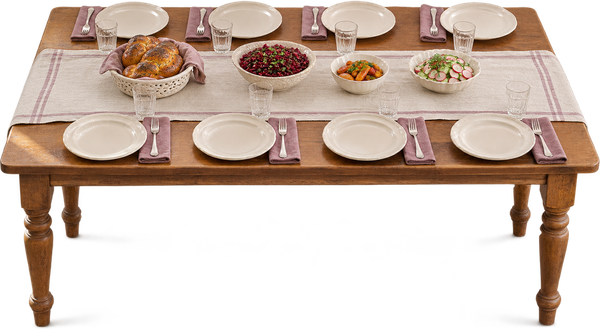
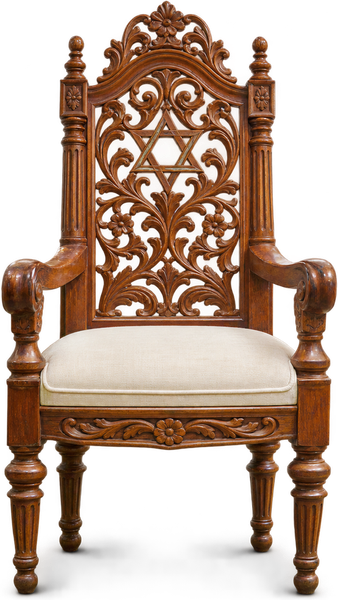
A special chair is prepared for the prophet Elijah, traditionally "the angel of the covenant". The ceremony is followed by a festive meal (seudat mitzvah).
Contemporary context
Brit milah remains very widespread across Orthodox, Conservative and Reform families; the Reform and Conservative movements have also trained male and female physicians as mohalim.
The way the wound is treated (metzitzah) varies between communities; for hygienic reasons most mohalim use sterile instruments. The topic is sensitive and requires expert assessment.
In some European countries there are public debates about regulating circumcision; Jewish communities defend it as a fundamental religious practice. A minority of liberal Jews choose alternative ceremonies without circumcision.
שאלות נפוצות
Why the eighth day in particular?
That is what the Torah prescribes. Traditional interpretations offer various reasons (e.g. that the child will have lived through one Shabbat); none is exclusive.
What if a boy is born on Friday evening?
The day is counted from dusk, so a boy born after dusk on Friday is circumcised on the following Saturday. Special rules apply to a birth during twilight.⁂ לאימות
מקורות
מקורות ראשוניים
- 1Genesis, 17:10–14 text ↗
- 2Genesis, 21:4 text ↗
- 3Leviticus, 12:3 text ↗
- 4Mishnah Shabbat, 19:1–2 text ↗
- 5Shulchan Arukh, Yoreh De’ah, 266 text ↗
- 6Babylonian Talmud, Yevamot, 64b text ↗
- 7Shulchan Arukh, Yoreh De’ah, 262–263 text ↗
- 8Siddur
- 9Babylonian Talmud, Shabbat, 137b text ↗
- 10Mishnah Shabbat, 19 text ↗
- 11Shulchan Arukh, Yoreh De’ah, 260–266 text ↗
- 12Mishneh Torah, Hilchot mila