הימים הנוראים
Yom Kippurיוֹם כִּפּוּר
1 day (approximately 25 hours) · 10 Tishrei
- היסטוריה
- מקרא
- הלכה
- מנהג
- מנהג עממי
- נוהג מודרני
- פרשנות
- הגייה
- yom ki-PUR
- משך
- 1 day (approximately 25 hours)
התרגום לעברית בהכנה. מוצג הטקסט המקורי.
ב־60 שניות
Yom Kippur, the Day of Atonement, is the holiest day of the Jewish year. It falls on 10 Tishrei, ten days after Rosh Hashanah, and lasts from dusk until nightfall the following day. The Torah commands “afflicting your souls”: rabbinic tradition interprets this as fasting from food and drink, not washing, not anointing, not wearing leather shoes and abstaining from marital relations. The day is devoted to prayer, confession of sins and the plea for forgiveness. It begins with the solemn formula of Kol Nidre and ends with the Neilah prayer and a long blast of the shofar. Yet according to the Mishnah, reconciliation between people first requires asking forgiveness of those we have wronged. Many Jews who are otherwise not observant keep Yom Kippur.
המועד הבא
מתכונים קשורים
מתי חוגגים
מתחיל
יום ראשון, 10 באוקטובר 2027, בשקיעה (18:22)
הדלקת נרות: 18:04
מסתיים
יום שני, 11 באוקטובר 2027, בצאת הכוכבים (19:07)
יום אחד
מתחיל
יום שישי, 29 בספטמבר 2028, בשקיעה (18:44)
הדלקת נרות: 18:26
מסתיים
יום שבת, 30 בספטמבר 2028, בצאת הכוכבים (19:29)
יום אחד
מתחיל
יום שלישי, 18 בספטמבר 2029, בשקיעה (19:08)
הדלקת נרות: 18:50
מסתיים
יום רביעי, 19 בספטמבר 2029, בצאת הכוכבים (19:54)
יום אחד
זמנים עבור פראג · תפוצות
היסטוריה ומקורות
The Torah describes the 10th day of the seventh month as the day of atonement, when the high priest, on the only day of the year, entered the Holy of Holies and performed the rite with two goats, one of which was sent “to Azazel” in the wilderness.1,2,3
The Mishnah devotes the tractate Yoma to the Temple rite. After the destruction of the Temple in 70 CE, sacrifice was replaced by prayer, repentance and charity; the description of the high priest’s service (Avodah) became part of the Musaf prayer.4
The Mishnah also records that on Yom Kippur and on the 15th of Av the young women of Jerusalem went out in white dresses to dance in the vineyards.5
משמעות דתית
Yom Kippur offers reconciliation with God to those who sincerely return (teshuvah): who regret, confess and resolve to act differently.6
The Mishnah stresses: Yom Kippur atones for transgressions between a person and God; for transgressions between a person and their fellow, only once they have made peace with their fellow.7
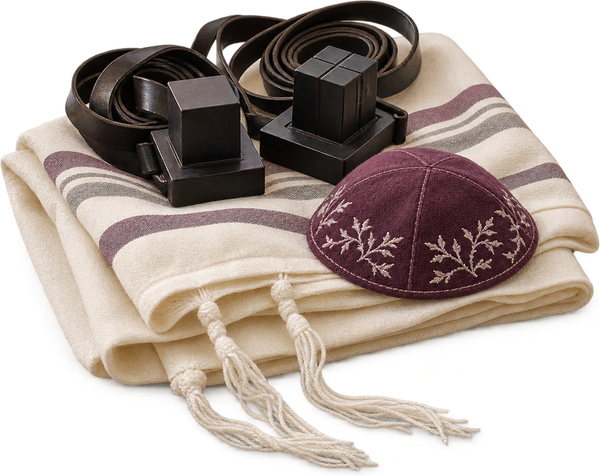
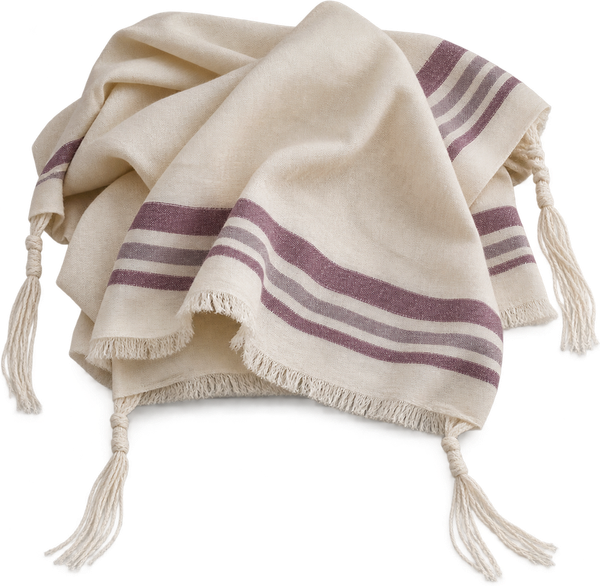
The fast and the white garments are interpreted as an imitation of the angels, who neither eat nor drink, or as a preparation for death (the kittel is also a burial garment) – the day leads to a serious reckoning with one’s own life.
מסורות עיקריות
On the eve, people ask those close to them for forgiveness, give tzedakah, and many go to the mikveh. Some Ashkenazim and Sephardim perform kapparot (formerly with a chicken, today more often with money for the poor); Joseph Karo rejected this custom, while the Rema supported it.8
Before the fast a festive meal is held (seudah mafseket). According to the Talmud, eating on 9 Tishrei counts as if one had fasted for two days.9
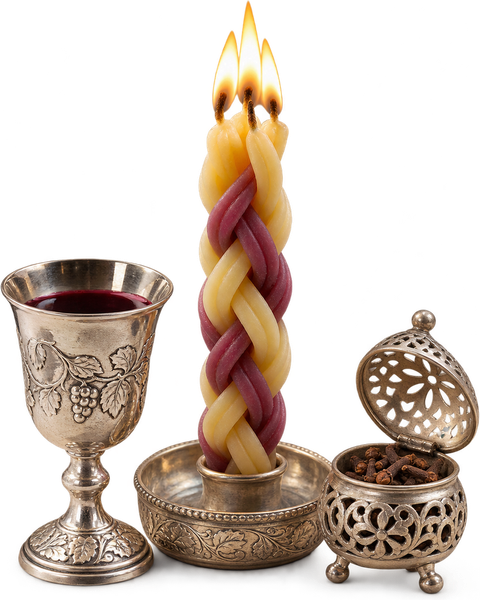
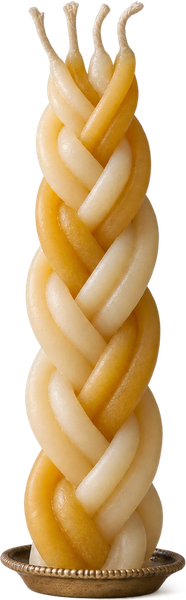
Parents bless their children, festival candles are lit, and in Ashkenazi families also a memorial candle for the departed.


איך נוהגים
The Mishnah sets out five “afflictions”: the prohibition of eating and drinking, washing, anointing, wearing leather shoes and sexual relations.10,11
Adults fast (from bat mitzvah / bar mitzvah); the sick and pregnant or nursing women follow the guidance of a doctor and a rabbi – where health is at risk, eating is an obligation.12
All the prohibitions on work that apply on Shabbat also apply; the Torah calls Yom Kippur “Shabbat Shabbaton”.13
תפילות וברכות
The evening begins with Kol Nidre – a legal formula annulling vows, sung to a famous melody. The Ashkenazi wording refers to the coming year, the Sephardi more often to the year just past.14
The day has five prayer services: Maariv, Shacharit, Musaf (with the description of the high priest’s Avodah), Minchah (when the Book of Jonah is read) and the concluding Neilah. Each repeats the confessions Ashamnu and Al Chet.15,16
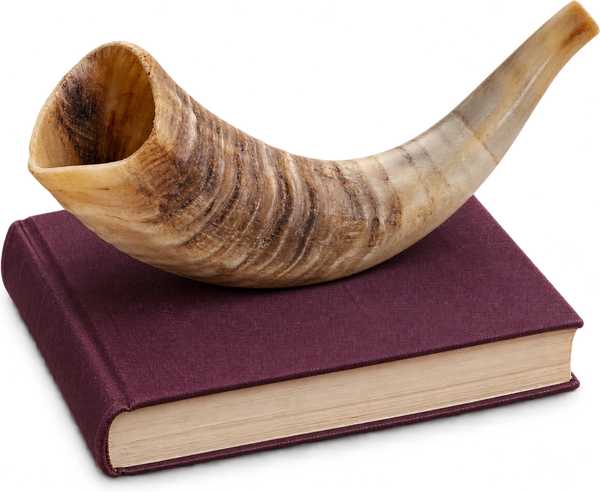
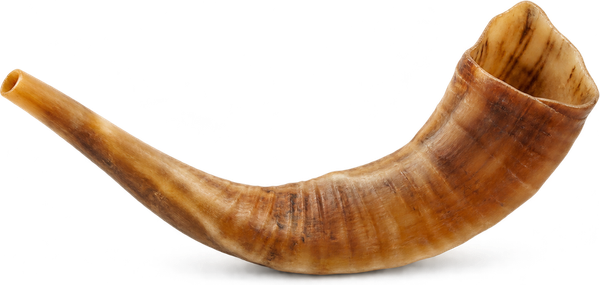
Neilah ends with Shema Yisrael, the threefold “Baruch shem kevod malkhuto”, the sevenfold “Adonai hu ha-Elohim” and a single long blast of the shofar. During the day Ashkenazim say Yizkor.14
סמלים וחפצים
מאכלים מסורתיים
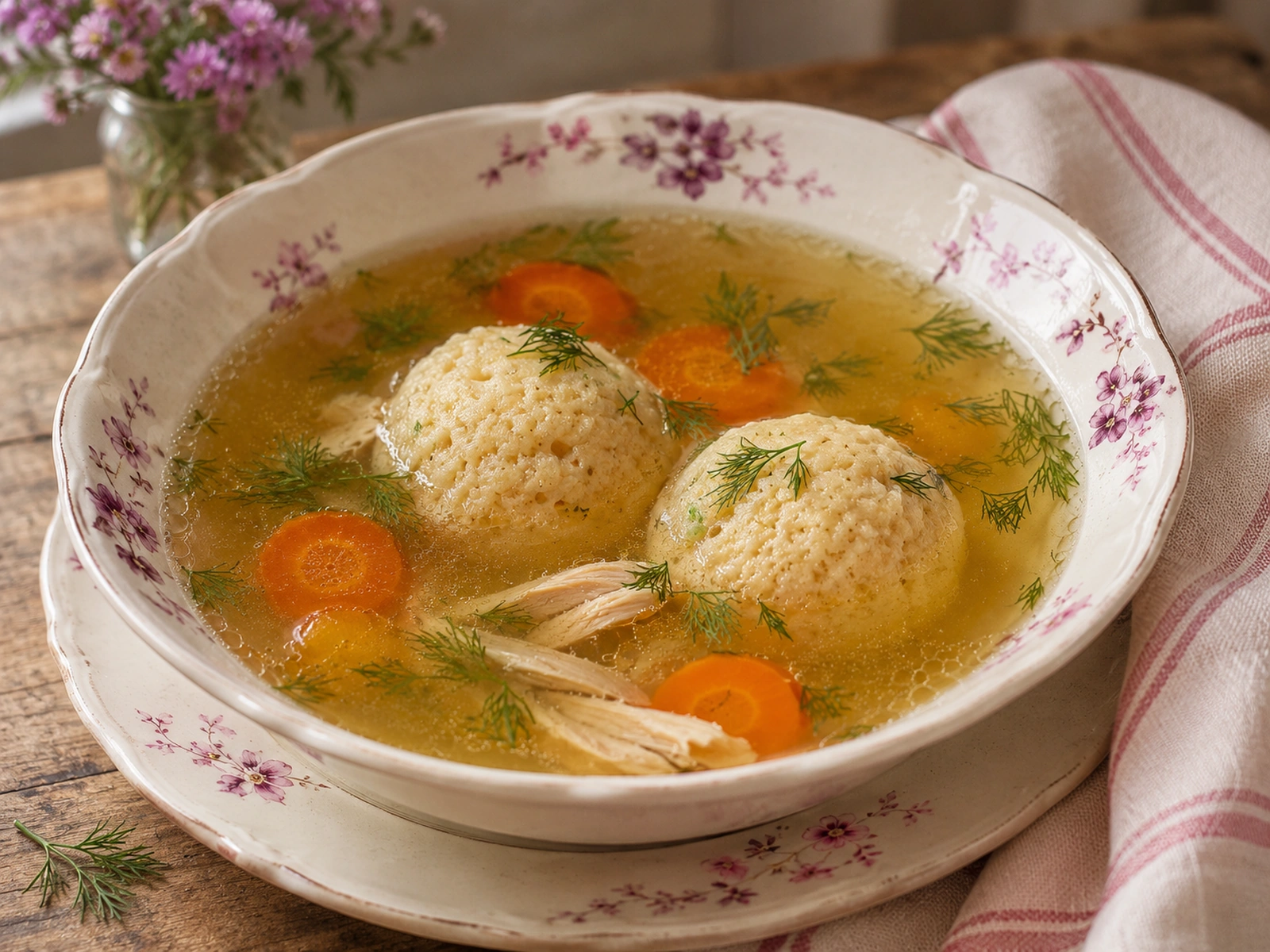
The pre-fast meal is usually substantial but not too salty or spicy, to make thirst easier to bear. Ashkenazim often serve chicken soup with kreplach.17
After the fast the meal is light: in Ashkenazi families often dairy dishes, baked goods, herring; in Sephardi and Mizrahi families sweet drinks, melon, pastries.
הבדלים בין הקהילות
Sephardi and Mizrahi congregations sing selichot and the piyyut Lecha Eli and have their own melodies for the confession; Ashkenazim know the melodies of Kol Nidre and Ve-chol ma’aminim.
In Israel public life comes to a halt on Yom Kippur: there are no radio or television broadcasts, the roads are empty and children ride bicycles on them.
On Yom Kippur 1973 Egypt and Syria launched an attack on Israel (the Yom Kippur War).
המסורת בארצות צ׳כיה
In the Czech lands, too, Yom Kippur was among the days with the highest synagogue attendance, including Jews who otherwise practiced little.
The Jewish Community of Prague holds both Kol Nidre and Neilah services; exact times are published by the community.18
לילדים
Yom Kippur is the day when people apologize – to God and to each other. Adults fast and pray all day.
Young children do not fast. Older children sometimes try fasting for a few hours before they reach bar or bat mitzvah age.
שאלות נפוצות
How long does the fast last?
Approximately 25 hours – from sunset on the eve until nightfall the following day.
Does everyone have to fast?
Halakhically, healthy adults. The sick and pregnant or nursing women follow the guidance of a doctor and a rabbi; a risk to health takes precedence, and eating then becomes an obligation.
What is Kol Nidre?
A formula annulling vows, with which the evening service opens. It does not concern obligations toward other people, but vows made to God.⁂ לאימות
What is the greeting for Yom Kippur?
“Gmar chatimah tovah” – a good sealing; among Ashkenazim also the Yiddish “a gutn kvitl”, or simply “an easy fast” (tzom kal).⁂ לאימות
Why are leather shoes not worn?
It is one of the five afflictions laid down by the Mishnah; leather shoes were a symbol of comfort.
Is it enough to pray in order to be forgiven by someone I have hurt?
No. According to the Mishnah, Yom Kippur atones for transgressions against one’s fellow only once one has made peace with that person.
מקורות
מקורות ראשוניים
- 1Leviticus, 16 text ↗
- 2Leviticus, 23:26–32 text ↗
- 3Numbers, 29:7–11 text ↗
- 4Mishnah Yoma
- 5Mishnah Taanit, 4:8 text ↗
- 6Mishneh Torah, Hilchot tšuva 2
- 7Mishnah Yoma, 8:9 text ↗
- 8Shulchan Arukh, Orach Chayim, 605:1 text ↗
- 9Babylonian Talmud, Yoma, 81b text ↗
- 10Mishnah Yoma, 8:1 text ↗
- 11Leviticus, 23:27 text ↗
- 12Shulchan Arukh, Orach Chayim, 617–618 text ↗
- 13Leviticus, 23:32 text ↗
- 14Machzor
- 15Jonah
- 16Isaiah, 57:14–58:14 – ranní haftara text ↗
- 19Babylonian Talmud, Yoma
- 20Shulchan Arukh, Orach Chayim, 604–624 text ↗