Before the funeral
The Torah requires the dead to be buried on the same day; halakhah derives from this that a funeral should not be needlessly delayed, the exception being the honor of the deceased (e.g. the arrival of family).1,2
The burial society (chevra kadisha, חֶבְרָה קַדִּישָׁא) performs the ritual washing (taharah) and dresses the deceased in a simple white shroud (tachrichim). The Prague burial society is among the oldest in Europe.3
The funeral
Traditional halakhah requires burial in the earth ("for dust you are, and to dust you shall return") and rejects cremation. Reform Judaism permits cremation; in the Diaspora coffins are commonly used, while in Israel burial is often in a shroud only.6
Those present help fill the grave with earth; after the burial the Kaddish is said. On leaving, people form two rows for the mourners to pass through and say words of comfort.
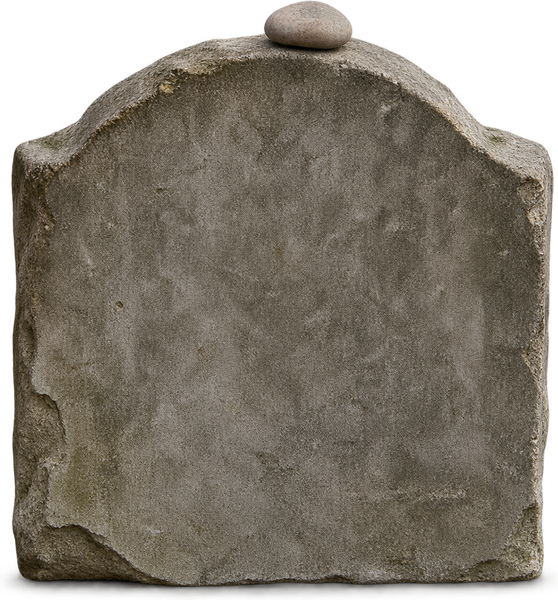
Flowers are not traditional; when visiting a grave, people commonly place a small stone.
Periods of mourning
The Talmud distinguishes three days of weeping, seven days of mourning and thirty days, and warns against excessive grief. Seven days of mourning already appear in the account of Jacob's burial.7,8
During shiva (שִׁבְעָה) the mourners stay at home, sit low, do not work and receive visitors; the first meal after the funeral (seudat havra'ah) is prepared for them by others. Shabbat and holidays interrupt public mourning.9
After shloshim (30 days), mourning for most relatives ends; for parents it lasts a year. The anniversary of the death (yahrzeit) is marked with a candle and kaddish. The unveiling of the gravestone takes place, according to custom, after a year (in the Diaspora) or after 30 days (in Israel).
The Czech lands
שאלות נפוצות
How should one behave when visiting a shiva house?
Traditionally one does not begin a conversation before the mourner speaks; the visit should be more a quiet support. On leaving, a formula of comfort is said.⁂ לאימות
May kohanim attend a funeral?
According to halakhah, descendants of priests avoid contact with the dead and with cemeteries, except for the funerals of their closest relatives.
Why are small stones placed on graves?
It is a widespread custom with several popular explanations (the permanence of memory, marking a visit); it is not a halakhic requirement.
מקורות
מקורות ראשוניים
- 1Deuteronomy, 21:23 text ↗
- 2Shulchan Arukh, Yoreh De’ah, 357 text ↗
- 4Genesis, 37:34 text ↗
- 5Shulchan Arukh, Yoreh De’ah, 340 text ↗
- 6Genesis, 3:19 text ↗
- 7Babylonian Talmud, Moed Katan, 27b text ↗
- 8Genesis, 50:10 text ↗
- 9Shulchan Arukh, Yoreh De’ah, 375–403 text ↗
- 11Leviticus, 21:1–3 text ↗
- 12Shulchan Arukh, Yoreh De’ah, 335–403 text ↗