שלוש הרגלים
Simchat Torahשִׂמְחַת תּוֹרָה
1 day (23 Tishrei, the second day of Shemini Atzeret) · 22 Tishrei in Israel, 23 Tishrei in the diaspora
- היסטוריה
- מקרא
- הלכה
- מנהג
- מנהג עממי
- נוהג מודרני
- פרשנות
- הגייה
- sim-CHAT to-RA
- משך
- ישראל: combined with Shemini Atzeret (22 Tishrei)
תפוצות: 1 day (23 Tishrei, the second day of Shemini Atzeret)
התרגום לעברית בהכנה. מוצג הטקסט המקורי.
ב־60 שניות
Simchat Torah, “rejoicing in the Torah”, is the day on which the synagogue completes the reading of the last portion of the Five Books of Moses and immediately begins again from the first verse of Genesis. The Torah does not mention it; it is a custom that arose in the Babylonian communities, which read the Torah in an annual cycle. In the evening and the morning all the scrolls are taken out of the ark, and with dancing and singing the congregation circles the synagogue with them seven times (hakafot). All adults present are called up to the Torah, often children too. The honored roles of “bridegroom of the Torah” and “bridegroom of Genesis” are given to respected members of the community. In Israel it is celebrated together with Shemini Atzeret, in the diaspora a day later.
המועד הבא
מתכונים קשורים
מתי חוגגים
מתחיל
יום שבת, 23 באוקטובר 2027, בשקיעה (17:55)
הדלקת נרות: 18:45
מסתיים
יום ראשון, 24 באוקטובר 2027, בצאת הכוכבים (18:42)
יום אחד
מתחיל
יום חמישי, 12 באוקטובר 2028, בשקיעה (18:16)
הדלקת נרות: 19:04
מסתיים
יום שישי, 13 באוקטובר 2028, בצאת הכוכבים (19:02)
יום אחד
מתחיל
יום שני, 1 באוקטובר 2029, בשקיעה (18:40)
הדלקת נרות: 19:28
מסתיים
יום שלישי, 2 באוקטובר 2029, בצאת הכוכבים (19:25)
יום אחד
זמנים עבור פראג · תפוצות
היסטוריה ומקורות
Simchat Torah has no biblical basis. The Talmud attests that in the Land of Israel the Torah was completed in a longer (roughly three-year) cycle, while in Babylonia in an annual one; concluding the annual cycle on Shemini Atzeret became established in Babylonian practice.1
The name “Simchat Torah” and the festive character of the day developed in the Geonic period and the Middle Ages; dancing with the scrolls (hakafot) is attested later, in the early modern period, and spread from the kabbalistic circle in Safed.
In the 1960s thousands of young Soviet Jews gathered outside the Moscow Choral Synagogue on Simchat Torah; the festival became a symbol of the movement for their rights.
משמעות דתית
Joining the end directly to the beginning expresses that the study of Torah never ends. Dancing with a closed scroll shows that joy in the Torah is open even to those who cannot read or study.
מסורות עיקריות
In the evening and the morning hakafot are held: seven circuits with all the scrolls, with dancing and singing, often outside in the street as well.
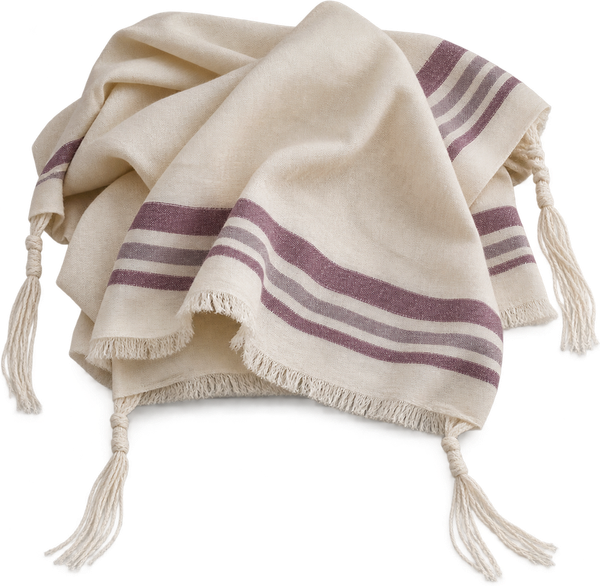
All adult men (in liberal congregations women too) are called up to the Torah. Children are called up together under an outspread tallit (kol ha-ne’arim).
The honor of being called up to the last portion goes to the chatan Torah (“bridegroom of the Torah”), and to the first portion of Genesis the chatan Bereshit. In some congregations today there is also a kallat Torah (“bride of the Torah”).

איך נוהגים
In the diaspora Simchat Torah is the second day of Shemini Atzeret, and the rules of a festival day (yom tov) apply to it.
Exceptionally, in many congregations the Torah is also read in the evening during hakafot, and the calling up to the Torah is repeated until everyone has been called.
תפילות וברכות
The reading is Ve-zot ha-berakhah (Deuteronomy 33–34), then the beginning of Genesis, the maftir from the passage on the offerings of the eighth day, and the haftarah from the Book of Joshua.2,3,4,5
During hakafot the verses Atah hor’eta and the petitions Ana Adonai hoshia na are sung; the melodies are highly varied.6
סמלים וחפצים
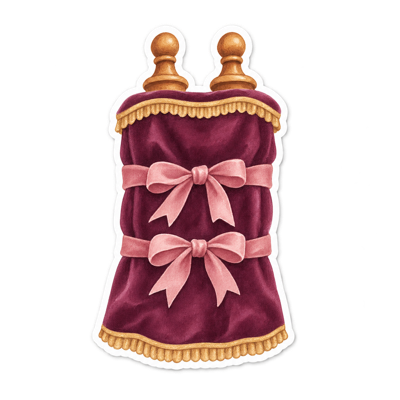
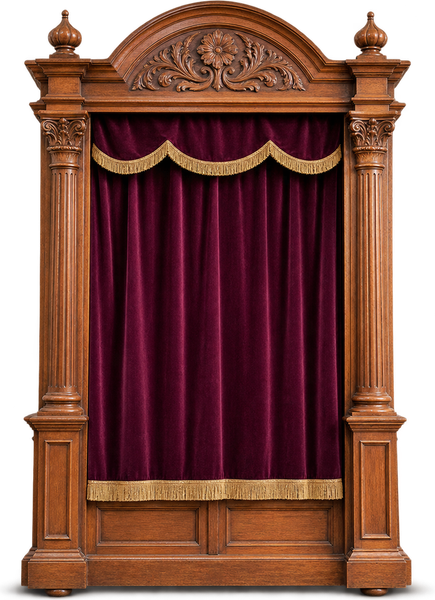
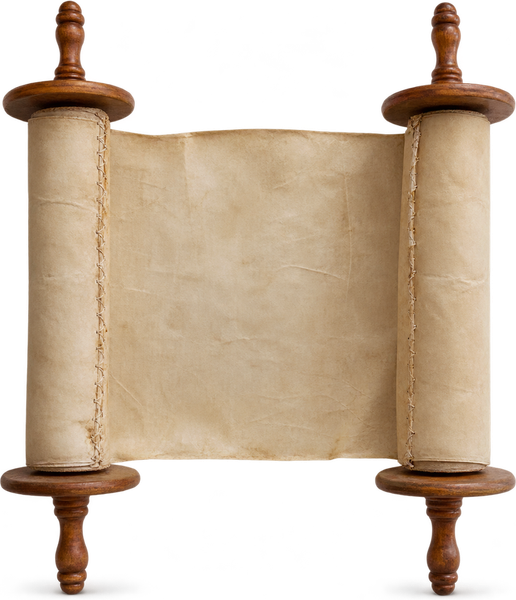
Sefer Torah – all the scrolls are taken out of the aron ha-kodesh.
Children carry flags (in Ashkenazi settings paper flags, sometimes with an apple and a candle on a stick) and receive sweets.
מאכלים מסורתיים
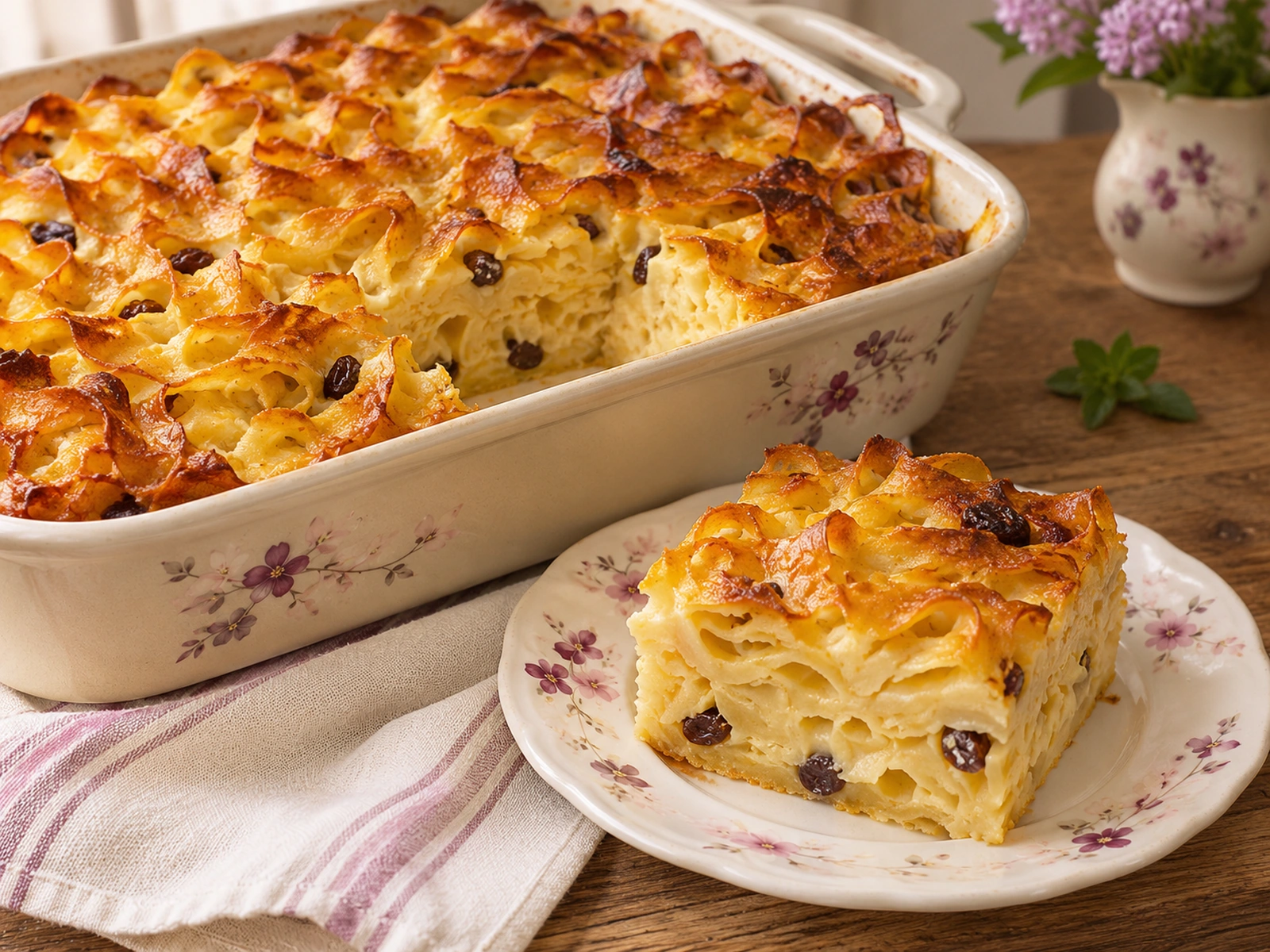
The festival has no established dishes; children receive sweets and congregations hold a kiddush. In Ashkenazi families stuffed dishes and kugel are popular.
הבדלים בין הקהילות
Sephardi congregations often decorate scrolls kept in rigid cases (tik) and call up honorees with the singing of piyyutim; Ashkenazi congregations have Yiddish and Hasidic songs.
In Israel, on the evening after the festival ends, hakafot shniyot (“second hakafot”) are held with music, in solidarity with the diaspora celebration.
In Orthodox congregations men dance with the Torah while women watch or dance in their own circle; in some Modern Orthodox congregations women dance with a scroll separately. In liberal congregations everyone dances together.
המסורת בארצות צ׳כיה
Jewish communities in the Czech Republic celebrate Simchat Torah with hakafot in their synagogues; guests may also take part.
The collections of the Jewish Museum in Prague include Torah textiles and silver ornaments (crowns, shields, pointers) from Bohemian and Moravian communities.7
לילדים
Simchat Torah is a day of dancing. Everyone dances with the Torah scrolls, and children wave flags and get sweets.
When the last word of the Torah has been read, the reading starts again right away from the first sentence – just like finishing a favorite book and opening it again from the beginning.
שאלות נפוצות
Is Simchat Torah a biblical festival?
No. It is a custom connected with the annual cycle of Torah reading, which became established in the Babylonian communities.
When is Simchat Torah celebrated?
In Israel on 22 Tishrei, together with Shemini Atzeret; in the diaspora on 23 Tishrei.
What are hakafot?
Seven circuits of the synagogue with the Torah scrolls, with dancing and singing, in the evening and the morning.
Can children and guests take part?
Yes, it is one of the most family-oriented festivals. Children are called up to the Torah under a tallit and receive sweets.
Who are the chatan Torah and the chatan Bereshit?
Honored roles: the first is called up to the end of Deuteronomy, the second to the beginning of Genesis.
מקורות
מקורות ראשוניים
- 1Babylonian Talmud, Megillah, 29b text ↗
- 2Deuteronomy, 33:1–34:12 text ↗
- 3Genesis, 1:1–2:3 text ↗
- 4Numbers, 29:35–30:1 text ↗
- 5Joshua, 1 text ↗
- 6Siddur
- 8Deuteronomy, 33–34 text ↗